

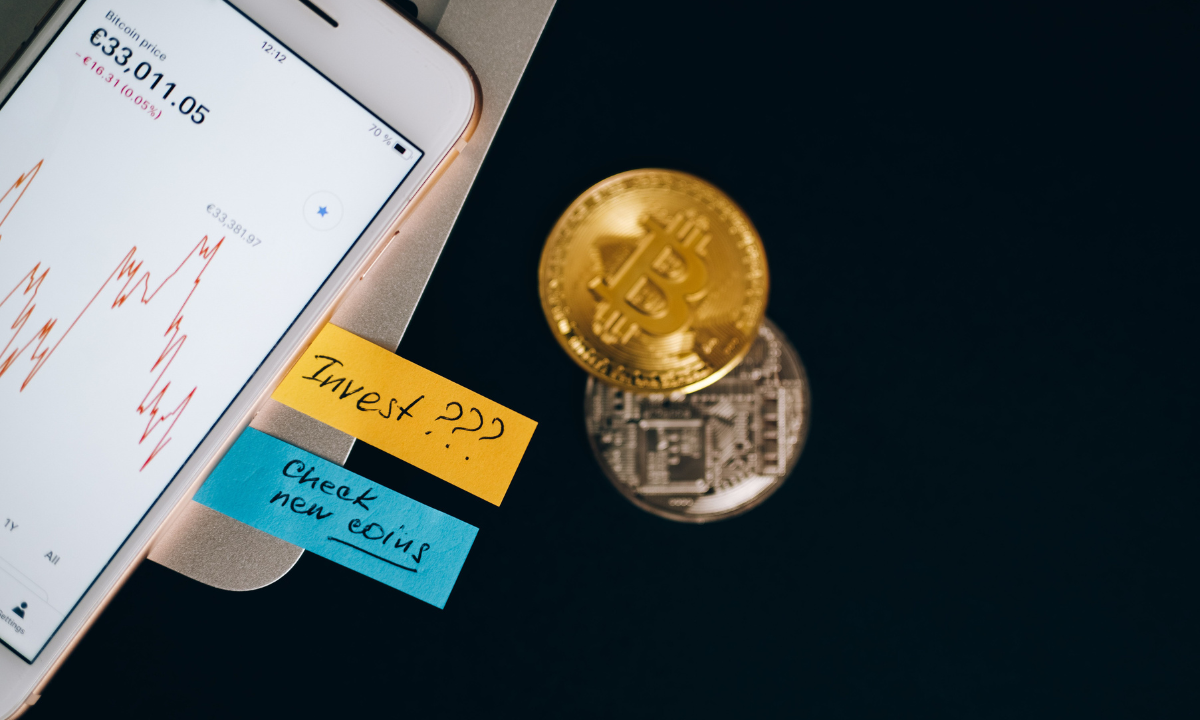
Cryptocurrency has become one of the most talked-about investment options in recent years. While some investors see it as the future of finance, others view it as a high-risk asset with significant price swings. If you’re wondering how to invest in crypto but don’t know where to begin, you’re in the right place.
This beginner’s guide explains everything you need to know—from understanding cryptocurrency and choosing an exchange to managing risk and keeping your investments secure. Whether you’re investing $50 or $5,000, the goal is to help you make informed decisions rather than chasing hype.
What Is Cryptocurrency?
Cryptocurrency is a digital asset that uses cryptography to secure transactions. Most cryptocurrencies operate on a decentralized blockchain network, meaning transactions are recorded on a distributed ledger instead of being controlled by a central bank or government. Bitcoin introduced this concept in 2009, and today thousands of cryptocurrencies exist with different purposes and technologies.
Why More People Are Investing in Crypto in 2026
Interest in cryptocurrency continues to grow because digital assets are easier to buy than ever before. Many investors are attracted by blockchain innovation, portfolio diversification, and the increasing availability of regulated investment products in some markets. However, regulators continue to emphasize that crypto remains a high-risk investment and investors should be prepared for significant losses.
How It Works
Every crypto transaction is verified by a blockchain network. Instead of relying on a bank, computers across the network validate transactions and permanently record them on the blockchain. This makes the ledger transparent and difficult to alter after confirmation.
Is Crypto a Good Investment in 2026?
The answer depends on your financial goals and risk tolerance.
Market Opportunities
- High long-term growth potential
- Portfolio diversification
- Increasing institutional interest
- Continuous innovation in blockchain technology
Potential Risks
- Extreme price volatility
- Regulatory uncertainty
- Security risks and scams
- Market sentiment can change rapidly
Financial regulators such as the UK’s Financial Conduct Authority (FCA) warn that crypto is a high-risk investment and investors should be prepared to lose all the money they invest.
Long-Term vs Short-Term Investing
| Long-Term Investing | Short-Term Trading |
|---|---|
| Focuses on years | Focuses on days or weeks |
| Lower trading frequency | Frequent buying and selling |
| Less affected by daily price swings | Highly affected by volatility |
| Suitable for beginners | Requires experience and market knowledge |
Things You Should Know Before Investing
Crypto Is Volatile
Prices can rise or fall dramatically within hours. Never assume past performance guarantees future returns.
Never Invest Money You Can’t Afford to Lose
Only invest money that won’t affect your emergency fund, rent, or daily living expenses if the market declines.
Do Your Own Research (DYOR)
Before buying any cryptocurrency, research its purpose, development team, technology, token supply, community, and real-world use cases. Don’t rely solely on social media influencers.
Understand Your Risk Tolerance
Ask yourself how much loss you could comfortably handle without making emotional decisions. Your answer should guide how much exposure you have to crypto.
How to Start Investing in Crypto (Step-by-Step)
Step 1: Learn the Basics
Understand blockchain, wallets, exchanges, private keys, and basic investment principles before purchasing any cryptocurrency.
Step 2: Choose a Trusted Crypto Exchange
Use a reputable exchange with strong security, regulatory compliance where applicable, transparent fees, and good customer support.
Step 3: Create and Verify Your Account
Register with your email, create a strong password, and complete identity verification (KYC), which many regulated exchanges require.
Step 4: Deposit Funds
Most exchanges allow deposits via bank transfer, debit card, or other supported payment methods.
Step 5: Buy Your First Cryptocurrency
Many beginners start with established cryptocurrencies such as Bitcoin or Ethereum because they have the largest market capitalization and longest track records.
Step 6: Store Your Crypto Safely
You can keep assets on the exchange or transfer them to your own wallet. Hardware wallets generally provide stronger protection for long-term holdings because private keys remain offline.
Best Cryptocurrencies for Beginners
Many beginners choose:
- Bitcoin (BTC) – The largest and most established cryptocurrency.
- Ethereum (ETH) – Popular for smart contracts and decentralized applications.
- Stablecoins – Designed to maintain relatively stable value by referencing another asset, though they still carry risks.
Remember, no cryptocurrency guarantees profits.
Different Ways to Invest in Crypto
There are several approaches:
- Buying cryptocurrency directly
- Investing regularly through Dollar-Cost Averaging (DCA)
- Crypto ETFs (where available)
- Blockchain-related company stocks
- Crypto investment funds (availability varies by country)
Common Beginner Mistakes to Avoid
- Investing based on hype or fear of missing out (FOMO)
- Ignoring research
- Investing too much too quickly
- Forgetting security practices
- Chasing “get rich quick” promises
- Panic selling during market declines
How to Keep Your Crypto Safe
Security is just as important as choosing the right investment.
- Strong Passwords: Use a unique, long password for every exchange and wallet.
- Two-Factor Authentication (2FA): Enable 2FA wherever possible to reduce unauthorized access.
- Hardware Wallets: For larger investments or long-term storage, consider using a hardware wallet that stores private keys offline.
- Avoid Phishing Scams: Always verify website URLs and never click suspicious links sent by email or social media.
- Never Share Your Recovery Phrase: Your recovery (seed) phrase gives complete access to your wallet. Never share it with anyone and never store it in cloud storage or screenshots.
How Much Money Should Beginners Invest?
- Start Small: Many investors begin with a modest amount while learning how the market works.
- Diversify: Avoid putting all your money into a single cryptocurrency.
- Build Gradually: Increase your investment only after gaining experience and confidence.
- Set Realistic Expectations: Crypto can deliver strong returns during some periods, but losses are equally possible.
Crypto Investment Strategies for Beginners
- Long-Term Investing: Buying quality cryptocurrencies and holding them for years may reduce the impact of short-term market volatility.
- Dollar-Cost Averaging (DCA): Investing a fixed amount at regular intervals helps reduce the impact of market timing.
- Portfolio Diversification: Combining different assets may reduce overall investment risk.
- Rebalancing: Review your portfolio periodically and adjust allocations if one investment becomes disproportionately large.
Understanding Crypto Taxes
Why Taxes Matter
Many countries tax cryptocurrency transactions. Buying, selling, trading, or earning crypto may create taxable events depending on local laws.
Keeping Records
Maintain records of purchases, sales, transfers, transaction fees, and wallet addresses. Good recordkeeping makes tax reporting much easier.
Check Your Local Tax Rules
Tax laws differ significantly between countries. Always review guidance from your local tax authority or consult a qualified tax professional.
Frequently Asked Questions (FAQ)
Is crypto safe for beginners?
Crypto can be invested in safely if you understand the risks, use reputable platforms, and follow good security practices.
How much should I invest first?
Start with an amount you are comfortable losing while you learn.
Which cryptocurrency should beginners consider?
Many beginners start by researching Bitcoin and Ethereum because they are among the most established cryptocurrencies.
Can I lose all my money?
Yes. Cryptocurrency prices can fall significantly, and regulators warn investors to be prepared for the possibility of losing their entire investment.
Do I need a wallet?
If you plan to hold crypto long term or want full control of your assets, a personal wallet—especially a hardware wallet—can provide additional security.
Final Thoughts
Learning how to invest in crypto doesn’t require becoming a blockchain expert overnight. Start by understanding the technology, choosing reputable platforms, investing only what you can afford to lose, and following strong security practices. Focus on long-term learning instead of short-term speculation.
Successful crypto investing isn’t about finding the next coin that could multiply overnight. It’s about building knowledge, managing risk, staying patient, and making informed decisions based on facts rather than emotions.

1 Comment
Pingback: What Are FintechZoom.io Stocks? A Beginner’s Guide